
 See Our Latest Article on HelloNation
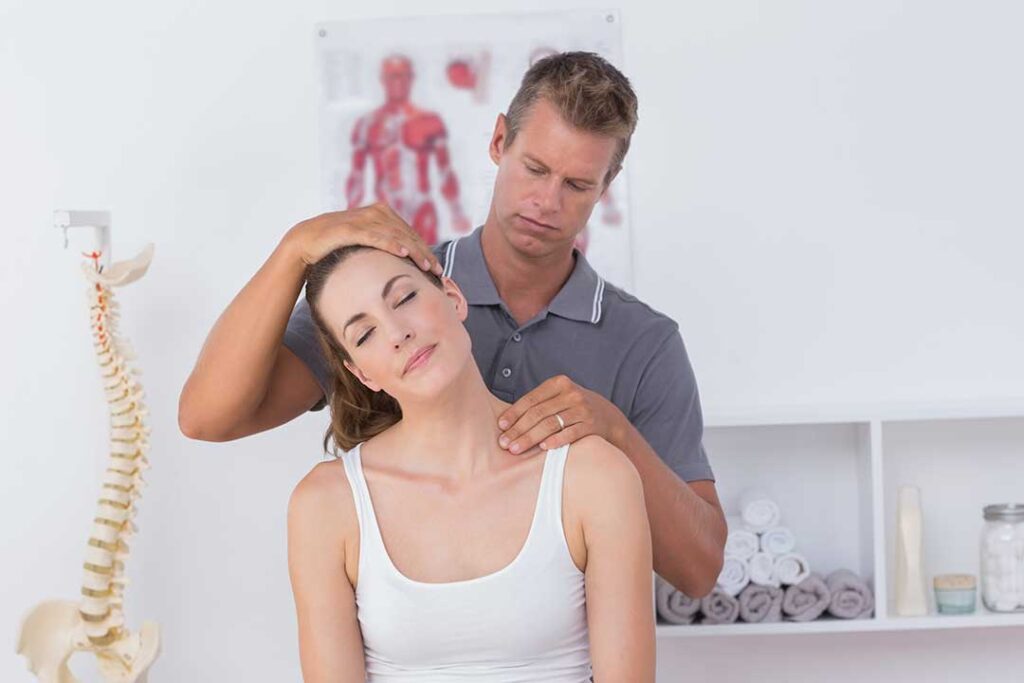
Neck pain can develop from ordinary habits such as prolonged screen use, an awkward sleeping position, muscle tension, or repetitive work. It can also result from arthritis, nerve irritation, or an injury. Most short-term cases improve with sensible movement and self-care, but certain symptoms require prompt medical evaluation.
What commonly causes neck pain?
The neck supports the head while allowing a wide range of movement. Muscles, joints, discs, ligaments, bones, and nerves can all contribute to discomfort.
Common causes include:
- Muscle strain: Holding the head in one position for a long time, reading with the neck bent forward, or working at a computer can overwork the neck and upper-shoulder muscles.
- Poor positioning: Looking down at a phone, using a laptop on a low table, or driving for extended periods may place extra stress on the neck.
- An awkward sleep position: A pillow that is too high or too low can leave the neck rotated or bent for hours.
- Repetitive activity: Yard work, lifting, overhead tasks, prolonged sewing, or repeated turning can irritate muscles and joints.
- Injury: Falls, sports injuries, and sudden forward-and-backward movement during a vehicle collision can cause sprains or whiplash.
- Age-related joint changes: Arthritis and other forms of wear in the cervical spine may cause stiffness, reduced motion, or pain that returns with activity.
- Nerve compression: A bulging disc or narrowing around a nerve may cause pain, tingling, numbness, or weakness extending into the shoulder, arm, or hand.
- Stress and muscle tension: Emotional stress may lead to unconscious tightening of the jaw, shoulders, and neck.
These causes can overlap. For example, a person may develop muscle strain from working at a computer and then notice more stiffness after sleeping in an unsupported position. ([mayoclinic.org](https://www.mayoclinic.org/diseases-conditions/neck-pain/symptoms-causes/syc-20375581?utm_source=openai))
Why can seasonal routines affect the neck?
Seasonal habits can change how much strain the neck receives. During colder months in Canandaigua, residents may spend more time indoors using computers, reading, or watching screens. Layered clothing, winter driving, shoveling, and clearing ice can also encourage awkward shoulder and neck positions.
In warmer months, gardening, home maintenance, recreational activities, and extended travel may involve lifting, reaching, or looking upward. The activity itself is not necessarily harmful; problems are more likely when the body is unprepared, the task lasts too long, or lifting and twisting occur at the same time.
A gradual warm-up, regular breaks, and changing positions can reduce the likelihood of overuse.
How can posture and screen habits be improved?
Good posture does not require sitting rigidly. The goal is to keep the head reasonably balanced over the shoulders rather than letting it remain far forward.
Helpful adjustments include:
- Place a computer monitor near eye level so the chin does not remain tilted up or down.
- Keep the shoulders relaxed and supported rather than raised toward the ears.
- Hold a phone or tablet closer to eye level instead of bending the neck for long periods.
- Use both hands or a stable surface for larger devices when possible.
- Change position regularly rather than trying to maintain one “perfect” posture.
- Stand, walk, or gently move the shoulders during breaks from desk work.
- When driving, adjust the seat and head restraint so the head is supported without forcing the neck forward.
A practical approach is to use brief movement breaks before discomfort becomes strong. Even a few minutes of walking, shoulder movement, or relaxed neck motion can interrupt prolonged static loading. ([mayoclinic.org](https://www.mayoclinic.org/diseases-conditions/neck-pain/symptoms-causes/syc-20375581?utm_source=openai))
What habits may help prevent recurring neck pain?
Prevention usually depends on several small routines rather than one exercise or device.
Build activity gradually. If outdoor work or exercise has been limited, begin with shorter periods and increase the workload over time. Avoid suddenly spending several hours lifting, digging, or reaching overhead.

Use safer lifting mechanics. Keep objects close to the body, bend through the hips and knees, and avoid twisting while carrying. Divide heavy loads into smaller amounts when possible.
Choose a supportive sleep position. The head should remain aligned with the body. A pillow should fill the space between the head and mattress without forcing the neck sharply upward. Sleeping on the back or side is often more comfortable than sleeping facedown, although comfort and individual health factors vary.
Maintain general strength and mobility. Regular walking and exercises that support the upper back, shoulders, and trunk may make everyday tasks easier. Neck movements should be gentle and should not cause sharp pain, dizziness, numbness, or worsening symptoms.
Manage muscle tension. Stress reduction, adequate sleep, paced breathing, and awareness of shoulder-jostling or jaw clenching may help reduce tension-related discomfort.
Avoid carrying excessive weight on one shoulder. A heavy single-strap bag can create uneven loading through the neck and shoulder. A lighter load or an evenly distributed backpack may be more comfortable. ([mayoclinic.org](https://www.mayoclinic.org/diseases-conditions/neck-pain/symptoms-causes/syc-20375581?utm_source=openai))
What can be tried for mild, recent neck pain?
For uncomplicated soreness, relative rest is usually more useful than complete inactivity. Gentle daily movement can help prevent stiffness, while painful lifting, forceful stretching, and prolonged bed rest may delay improvement.
Some people find short applications of cold helpful during the first day or two after a minor strain, followed by warmth for muscle tightness. Over-the-counter pain medicines may be appropriate for some adults, but they are not safe for everyone. Existing kidney disease, stomach ulcers, blood-thinning medication, liver disease, pregnancy, allergies, and other conditions can affect which medicines are appropriate. A pharmacist or healthcare professional can help clarify safe options. ([medlineplus.gov](https://www.medlineplus.gov/ency/article/003025.htm?utm_source=openai))
When is neck pain a reason to seek medical care?
Neck pain should be evaluated promptly after a significant fall, collision, diving injury, or other event that could affect the spine. Emergency care is especially important when severe pain follows trauma or when there is weakness, loss of coordination, or difficulty walking.
Medical evaluation is also warranted when neck pain is accompanied by:
- Numbness, tingling, or weakness in an arm or hand
- Pain that travels into the shoulder, arm, or leg
- Severe or persistent headache
- Fever, marked illness, or unusual sensitivity to light
- Loss of bladder or bowel control
- Unexplained weight loss or a history of cancer
- Symptoms that continue, repeatedly return, or steadily worsen
These signs do not identify a specific diagnosis by themselves, but they can indicate nerve involvement, infection, injury, or another condition that should not be managed only with home care. ([mayoclinic.org](https://www.mayoclinic.org/diseases-conditions/neck-pain/symptoms-causes/syc-20375581?utm_source=openai))
Neck pain prevention is largely practical: vary positions, keep screens at a comfortable height, prepare gradually for physical tasks, sleep with the neck supported, and respond early to increasing stiffness. Persistent or neurologic symptoms deserve individualized assessment rather than repeated attempts to treat the same problem without understanding its cause.
