
 See Our Latest Article on HelloNation
How Do Age-Related Changes Affect Mobility?
Mobility often becomes more challenging with age due to a combination of natural changes in bones, muscles, and joints. In Canandaigua, fluctuating seasonal weather—from icy winters to humid summers—can add to difficulties for seniors managing joint stiffness or discomfort. Age may bring about common issues such as arthritis, reduced flexibility, and slower recovery after minor injuries, all of which can contribute to reduced movement.
Some local seniors find routine activities, like walking to the mailbox on an uneven sidewalk or navigating stairs in multi-level homes, increasingly taxing. Not only can this affect independence, but it may also increase the risk of falls, which are a leading cause of senior injury nationwide.
What Role Can Chiropractic Care Play for Seniors?
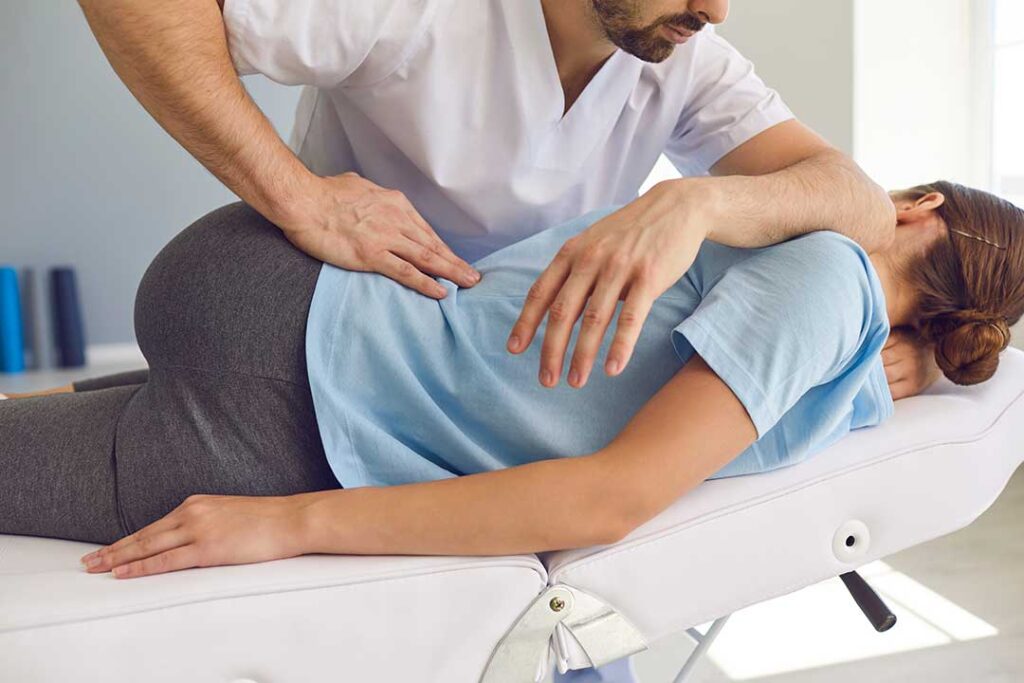
Chiropractic techniques are designed to maintain or restore joint and muscle function, with a focus on the spine and musculoskeletal system. For older adults, these methods are adapted for safety and comfort.
Chiropractic care may include:
- Gentle spinal and joint adjustments to maintain alignment
- Soft tissue therapies designed to improve flexibility and muscle tone
- Personalized movement or stretching guidance
These approaches address stiffness and discomfort—two major mobility barriers for local seniors, especially after long periods of inactivity during colder months.
Which Benefits Are Most Noticeable for Seniors?
Seniors in the community often report several meaningful effects after starting regular chiropractic visits. Chief among them are improvements in daily movement, such as:
- Easier rising from chairs or beds
- Less discomfort during short walks, especially on uneven ground or stairs
- Improved balance and stability
Some residents also notice less reliance on pain medication for joint or back issues. Others appreciate a greater sense of confidence when tackling routine errands or recreational activities, such as gardening or strolling along the lakeside paths.
Are There Specific Techniques Used to Assist Older Adults?
Chiropractic care is highly adaptable to unique needs. For older individuals, practitioners often use lighter-touch or low-force adjustment methods. Some common strategies include:
- Table-assisted techniques, which use specialized equipment to make adjustments more comfortable
- Soft tissue mobilization to address tightened muscles safely
- Individualized stretching and guided exercises, focusing on gentle, achievable movements
These approaches are intended to aid flexibility and function without causing discomfort, making them appropriate for a range of health conditions often present with aging.
How Does Chiropractic Care Support Long-Term Mobility?
Supporting joint health and movement in the long run is a primary goal for many area seniors. Chiropractic visits can support this by:
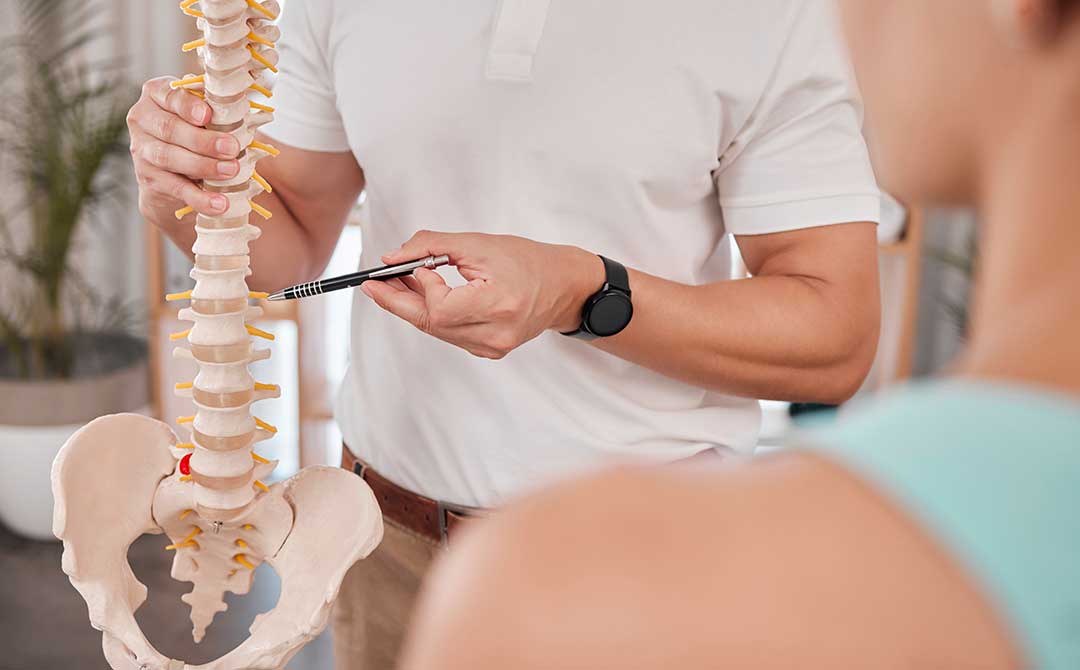
- Monitoring spinal and joint changes regularly, identifying stiffness or misalignment before more serious issues develop
- Encouraging consistent, safe movement through home exercises or walking routines geared for the local terrain and climate
- Offering suggestions for daily activity modifications, like safe snow-shoveling posture or ergonomic adjustments to home furniture
Ongoing attention helps many residents maintain an active lifestyle, which itself is associated with better overall health outcomes.
Are There Common Misconceptions About Chiropractic and Older Adults?
A frequent concern among Canandaigua residents is whether chiropractic techniques are safe or suitable for seniors, especially those with conditions like osteoporosis or arthritis. In reality, providers adjust their approach—with gentle techniques and a strong emphasis on each person’s health history—to minimize risk and maximize potential benefit.
Other misconceptions include the belief that chiropractic care is only for those with acute back injuries or that it always involves strong, manual adjustments. In practice, care is tailored and often relies more on gentle mobilization than on forceful manipulation for older populations.
What Should Seniors Consider Before Trying Chiropractic Approaches?
Anyone considering chiropractic care should discuss their full health background—including any diagnosed conditions, medications, or surgeries—with a health professional beforehand. It’s wise to ask questions about the specific methods used, the goals of care, and how progress will be tracked.
Additionally, local seniors might evaluate how changes in season—like navigating winter ice or increased fall risk with wet leaves—might interact with their personal mobility and care strategies.
How Can Seniors Make the Most of Mobility Improvements?
Staying mobile is about blending the benefits of hands-on care with healthy lifestyle choices. For many in the community, this may involve:
- Taking advantage of walkable routes and community paths in good weather
- Using supportive footwear and harnessing household aids, like handrails and non-slip mats, particularly in winter
- Staying consistent with recommended stretches or exercise routines
Pairing these practical behaviors with appropriate care increases the likelihood of improved mobility and helps support long-term independence.
